








The accessory port on a bike is a spare power socket wired into the bike’s electrical system, put there so you can run extras without cutting into the wiring loom. Depending on the bike it looks like a car style round socket, a USB port under a rubber cap near the handlebar, or a small two pin connector tucked under the seat. Plug something in and the bike feeds it power the same way it feeds its own horn and headlamp.
That is the whole idea. Chargers, navigation, a dashcam, a tyre inflator, heated grips in the hills: the port exists so add-ons connect in seconds and disconnect just as fast. Many new bikes now ship with one from the factory. If yours did not, a competent mechanic can add one in under an hour. The part that actually matters, and the part most riders never check, is which circuit the port sits on. We will get to that.
The three shapes an accessory port takes
Manufacturers have never agreed on one design, so you will meet three. The old car style round socket takes the same plugs as a car dashboard and is common on tourers and bigger commuters. The USB port, either the older rectangular type or the newer oval one, is what most current bikes fit because phone charging is what most riders want. The third shape is a bare two pin connector, sometimes with nothing but a rubber boot over it, which fitters and touring riders use for gear that stays on the bike, like a battery tender lead or wired heated clothing.
They all do the same job. The shape only decides which plug goes in without an adaptor.
What riders actually plug into them
Phone charging is the big one, especially with navigation running, because maps with the screen on will flatten a phone battery well before a long ride ends. After that come dashcams and action cameras, tyre inflators for puncture kits, and heated grips or jackets for riders who cross mountain winters. All of it is the same trade: the bike has power to spare while the engine runs, and the port hands you some of it.
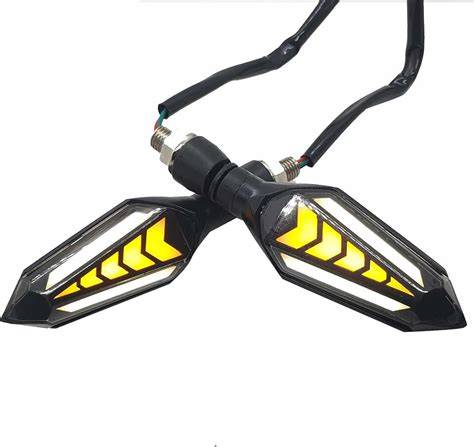
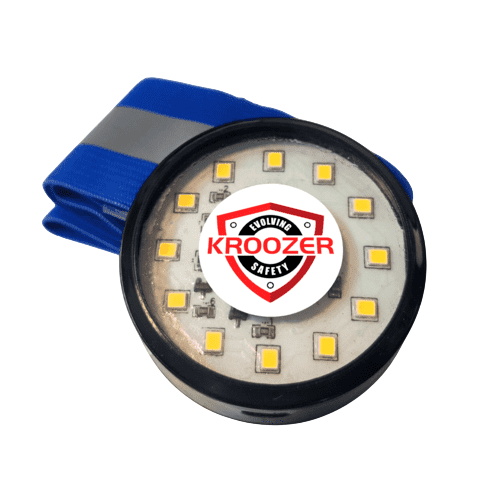
Auxiliary lights are the interesting case. Small rechargeable clip-on lights charge happily from a USB accessory port between rides. Permanent visibility gear is different: a wired kit like the Kroozer strobe light kit is fitted once to the bike’s own wiring with its own switch, so it never occupies the port and never depends on you remembering to plug it in. Port for the temporary stuff, proper wiring for the permanent stuff, is the rule of thumb.
Switched or always live: the one check that matters
Every accessory port is wired one of two ways. A switched port only gets power when the ignition is on, so it dies when you pull the key. An always live port stays connected to the battery around the clock.
Switched is the safer default, because you cannot flatten the battery by forgetting. An always live port is more flexible, since a dashcam can keep recording in the parking lot, but anything left plugged in keeps sipping current while the bike sleeps. Leave a cheap charger in an always live socket for a fortnight of monsoon parking and you may come back to a bike that will not crank. The test takes ten seconds: plug your phone in, turn the ignition off, and see whether charging stops. If it does not, treat the port like a tap you have to close yourself. We covered the wider drain question in our guide on whether strobe lights drain a bike battery, and the same logic applies to everything else on the bike.
Load limits, without the number games
Every port sits behind a fuse, and the owner’s manual states what the circuit is rated to carry. Respect that instead of guessing. Phones and cameras are light loads and never cause trouble. Tyre inflators are the usual fuse killers, because a small motor working hard asks for far more than a charger does. Two habits keep you out of trouble: run an inflator only with the engine running, and never stack adaptors to feed several hungry things off one socket. If the fuse does blow, it has done its job. Replace it with the same rating, never a bigger one.
Fitting one if your bike came without
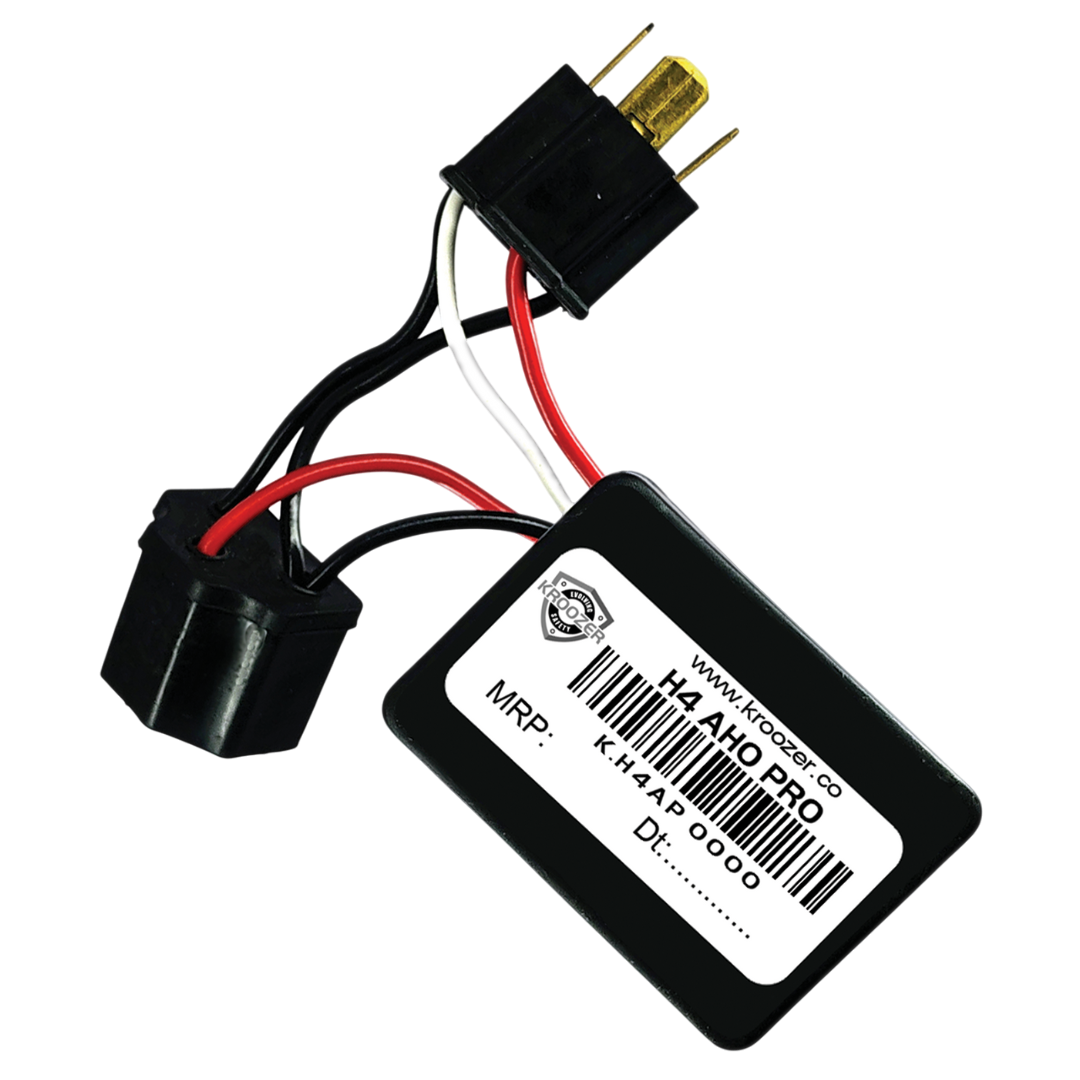
An accessory port is one of the cheapest upgrades a bike can get. The kit is a socket, a fuse and two leads, and any good mechanic will tuck it behind the panel of your choice and wire it to a switched circuit so it behaves like factory fitment. Ask for switched wiring specifically, because the lazy install is a straight run to the battery, which gives you an always live port whether you wanted one or not. Modern bikes route a surprising amount of their electrics without asking you first. Our piece on the AHO switch is a good companion read on that.
Quick answers
Is the accessory port the same as a USB port?
A USB port is one form of it. The term covers any factory or aftermarket power socket meant for add-ons, including round car style sockets and two pin connectors.
Can I charge my phone while riding?
Yes, that is the port’s most common job. Use a decent quality charger and a short cable, and route the cable so it cannot catch the bars at full lock.
Can I run strobe or auxiliary lights from the accessory port?
Rechargeable clip-on lights, yes, charge them from it between rides. Permanent visibility kit is better wired in properly with its own switch, the way our strobe kit fits, so the port stays free and the lights stay fitted and ready every ride.
Do all bikes have an accessory port?
No. Premium and touring bikes usually do, budget commuters often do not, and older bikes almost never do. Adding one is quick, cheap and completely reversible.
The short version: find your port, learn whether it is switched or always live, keep heavy loads for engine-on moments, and let permanent kit have its own wiring. Ten minutes of curiosity now saves you a dead battery on a wet Monday.


