








Ask about strobe lights on an Indian bike forum and someone will tell you they’re illegal. Ask a dealer and they’ll tell you they’re fine. Both answers are too confident, and neither is the question you’re actually asking.
We fathered this category in India. We were building these before most people here had a name for them. So here’s the honest version, from the people who started it.
The word “strobe” isn’t the problem. “Blinking” is.
Almost every argument about this collapses because two different things get called the same name.
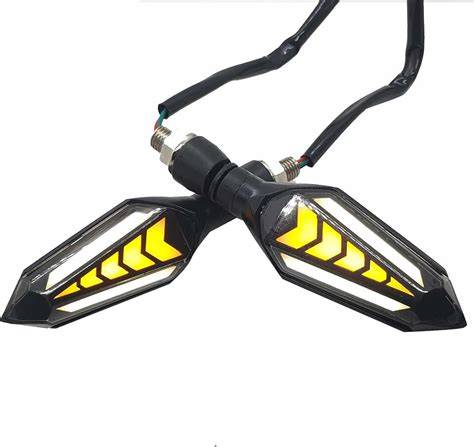
A strobe is an auxiliary visibility light. It’s an extra point of light you add, on its own bracket, doing its own job, the same idea as the anti-collision lights on an aircraft wingtip. It doesn’t replace anything your bike already has.
A blinking light is a behaviour, not a product. And that behaviour is where the real questions live: what colour is it, where is it mounted, is it visible to oncoming traffic, and is it flashing in a way that could be mistaken for something official.
So when someone asks “are strobe lights legal in India”, the useful version of that question is narrower: is this particular light, in this particular colour, in this particular place, doing this particular thing? That question has a real answer. The broad one doesn’t.
Where we come from
Kroozer is the father of strobe lights in India. That isn’t a slogan someone picked in a meeting. It’s just the order things happened in.
Kroozer didn’t start with strobes. It started with Striker, wearable road-safety gear. Reflective kit for riders, built on a simple idea: most of what goes wrong on an Indian road at night comes down to somebody not being seen in time.
Wearables only take that so far. A jacket helps when a headlight falls on it. It does nothing on a wet highway at 2am when the car behind you is closing faster than it thinks.
So the same idea moved onto the bike, and became the strobe pod. Two small lights, one on each side, throwing their own signal rather than waiting to be lit by someone else’s.
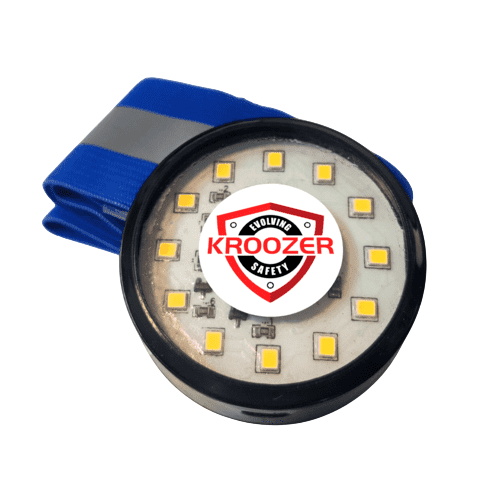
That’s the line the whole company runs along, and it hasn’t stopped at motorcycles. The smart helmets Steelbird sells in volume are built by us, the same visibility engineering as our LED helmet lights, moved onto the head instead of the tail. Kids’ riding gear with integrated lighting is next. Industrial is after that.
We say that not to sell you a helmet. We say it because it’s the reason we won’t give you a glib answer about the law: this is the category we started in India, and we’d rather it grows up properly than gets a reputation for people dazzling each other.
What the question actually turns on
If you want a straight read on whether a light is going to cause you trouble, these are the things that matter. Not the brand, not the word on the box.
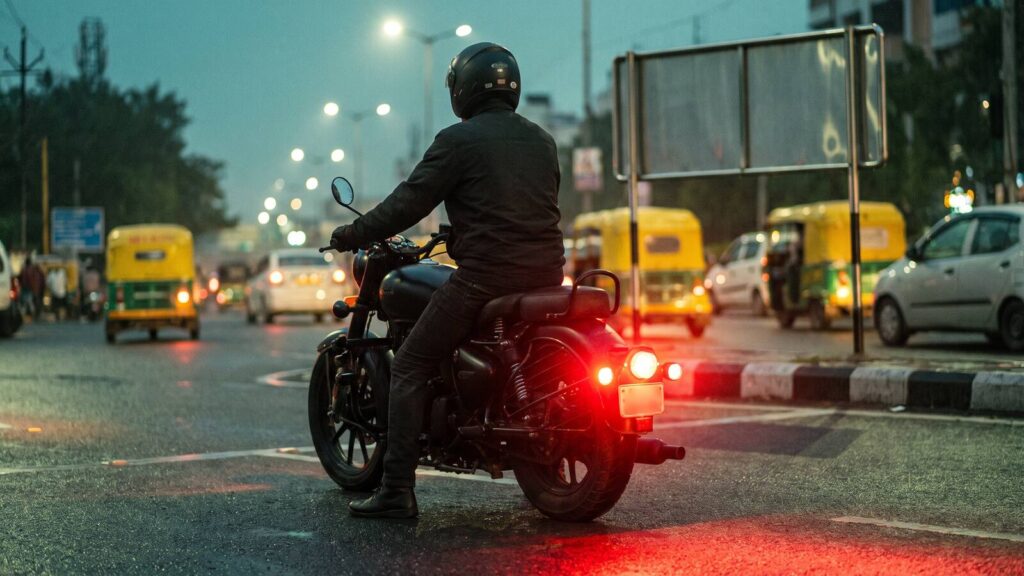
Colour, and which direction it faces. Indian road-lighting convention is consistent about this: red belongs to the rear, white to the front. A red light showing forward is the thing that gets attention, and not the good kind.
Where it’s mounted. A light low on the tail, flanking the plate, reads as part of the vehicle. A light stuck high and central, near where a tail lamp lives, starts to look like a modification of a mandatory lamp, a different conversation entirely.
Whether it replaces anything. Auxiliary means additional. If your tail lamp, brake light and indicators all still work exactly as the manufacturer built them, you’re adding. If you’ve taken something out to fit something in, you’re altering.
How you actually use it. This is the one riders skip. A light that helps you get seen in fog at night is the same light that makes you a nuisance in stationary traffic. The hardware doesn’t decide that. You do.
Rules on auxiliary lighting are applied differently from state to state and by how the light is used, so we’re not going to tell you it’s cleared everywhere. Check with your local RTO and ride considerately. The point is to be seen, not to dazzle anyone.
What a Kroozer kit actually is
Precision helps here, so here is exactly what you’re fitting:
- Two small pods, one on each side, roughly 40 cm apart, low, flanking the number plate.
- Each on its own bolt-on L-bracket, mounted under an existing bolt. No drilling, no cutting.
- Red. Rear-facing.
- Not indicators. Not your tail lamp. Nothing standard is removed, replaced or rewired out. Your bike’s original lighting keeps doing its job untouched.
- 15+ selectable patterns on a single push-button switch, so you choose how it behaves.
- Brake Mode on the V7.0, wired into the brake light, so the pods fire when you brake, alongside whichever pattern you’ve set.
- Reversible. Two bolts and it’s off the bike.
That last point matters more than it looks. Anything bolt-on and reversible is a different proposition from anything cut in.
What to ask your RTO, in words that get an answer
“Are strobe lights allowed?” will get you a shrug, because it’s not answerable as asked. Try this instead:
“I want to fit two additional red rear-facing auxiliary lamps, low on either side of the number plate, on bolt-on brackets. Nothing standard is being removed or modified. The tail lamp, brake light and indicators stay exactly as fitted. Is that acceptable, and is there anything about the flash pattern I should avoid?”
That’s a question an officer can actually answer, because it describes what you’re doing rather than what it’s called. Ask it before you buy, not after.
Ride like you want this to stay legal
The fastest way to get auxiliary lighting restricted for everyone is for enough riders to use it badly. So:
Pick a pattern you’d be comfortable sitting behind. Don’t run rapid strobe in stationary traffic. Keep it red and keep it pointing backwards. And if someone flashes you because your light is in their eyes, they’re telling you something useful.
We build these so riders get home. That only works if the rider in front of you gets home too.
The V7.0 kit is the KROOZER Strobe Light for Bike, Pro with Brake Mode: ₹1,399, free shipping across India on orders over ₹1,000, 1-year warranty, and about fifteen minutes to fit. The rest of the range is in strobe lights.
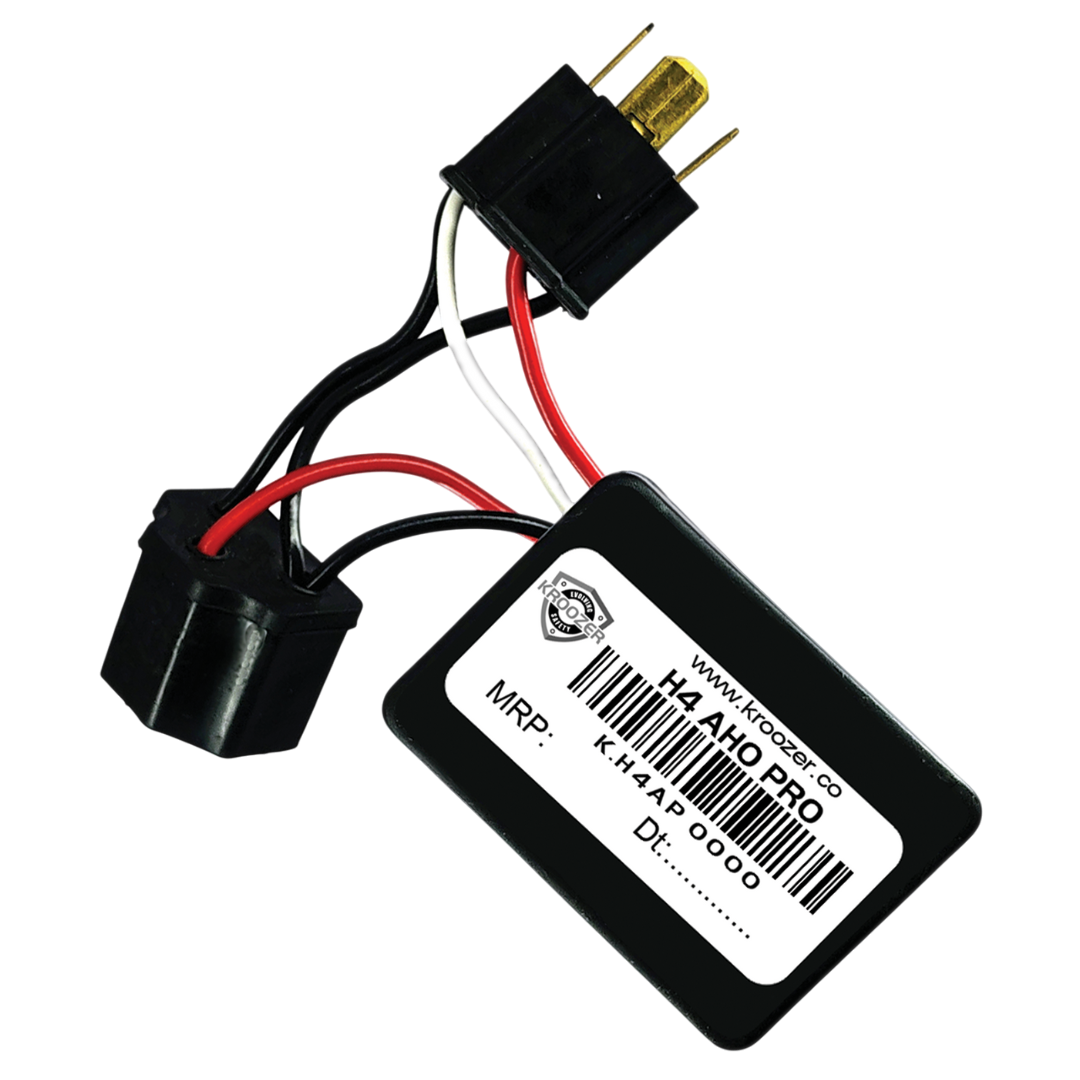
Wondering whether a brake light flasher would do the same job? It wouldn’t. And the difference matters for your warranty.
This piece describes how our product is built and what we think the practical questions are. It isn’t legal advice, and we’re not lawyers. Requirements vary by state. Check with your local RTO.


