









This was a week when the weather refused to stay in one place. Between 31 August and 6 September the alerts ran from the Bay of Bengal coast up into the Himalayan foothills, sat over the capital for four days, and then turned up in one of the densest two-wheeler cities on the planet. Five stories made the cut for Visibility Watch this week, and every one of them carries the same quiet message for riders: the road takes your visibility away in bad weather, and it is your job to put it back.
As always, each story is attributed to the outlet that reported it, the safety lesson is ours, and nothing here names a victim or leans on a tragedy. That is the standing rule of this series.
Odisha: a red alert on the coast
A fresh low-pressure system over the northwest Bay of Bengal opened the week. OrissaPOST reported on 30 August that Baleshwar, Kendujhar and Mayurbhanj went under a red alert, ten more districts sat on orange, and heavy rain was expected to hold for two more days. Rajghat in Baleshwar logged 156.2 mm.
The rider lesson from coastal rain is about spray. Truck wheels lift a curtain of it, and the first thing it does is coat your tail lamp and your number plate in a film of grey. Wipe your rear lights at every stop. It takes five seconds and it is the cheapest visibility upgrade there is.
Delhi NCR: four days under orange and yellow
On 1 September the capital got its turn. The Free Press Journal reported orange alerts for parts of Delhi and yellow for the wider NCR, with gusty winds around 40 kmph, warnings of waterlogging and traffic disruption, and unsettled conditions forecast through 4 September. The report itself flagged reduced visibility on the roads.
A heavy grey downpour turns 4 pm into 9 pm. Treat it exactly like a night ride: lights on, speed down, and more distance to the vehicle ahead than feels natural. And if you must stop, get fully off the carriageway. A rider sheltering in a live lane under a flyover is nearly invisible to traffic arriving out of the rain.
Himachal Pradesh: 98 roads blocked and mist on the passes
In the hills, the story was the roads themselves. The News Mill reported on 1 September that seven districts, from Chamba down to Sirmaur, sat under a yellow warning, with 98 roads blocked statewide, Mandi alone accounting for 43, and 107 transformer regions disrupted. Officials warned of poor visibility in several districts during cloud cover and heavy rain.
Hill mist is its own problem: the cloud is not above the road, it is sitting on it. A grey bike in grey mist is easy to miss. Hold a mid-lane position through blind curves with your lights on, and stay off the crumbling outer edge where nobody is looking for you.
Uttarakhand: rain and the season’s first dense fog together
ANI reported on 2 September an orange alert for Dehradun, Nainital and Bageshwar, rain expected to persist until 7 September, a state disaster authority red alert for vulnerable areas around Nainital, and dense fog around Rudraprayag cutting visibility on the hill roads.
Fog is the harshest teacher in this series. It hides you first and shows you last. Ride on low beam, not high: high beam lights up the mist itself and hands you a white wall. If you want the longer version of how to stack the odds in your favour, our guide on how to be more visible on your bike at night and in the rain covers the whole system, and the one on hazard lights explains why flashing all four indicators in fog works against you.
Taipei: 41 incidents in a single day
The week closed far from India. Focus Taiwan reported on 4 September that the Central Weather Administration issued extremely heavy rain advisories for parts of northern Taipei, Keelung and New Taipei’s north coast. The city logged 41 incidents in a day, mostly flooding and fallen trees, with knee-deep water in Keelung’s Dawulun area and intermittent rain forecast through Sunday.
Taipei runs on two wheels, so a downpour there is a visibility test for an entire city of riders at once. The lesson travels well: rain grey hides a grey bike and a grey poncho anywhere on earth. Be lit, and give the rider ahead of you room to stop.
The thread through all five
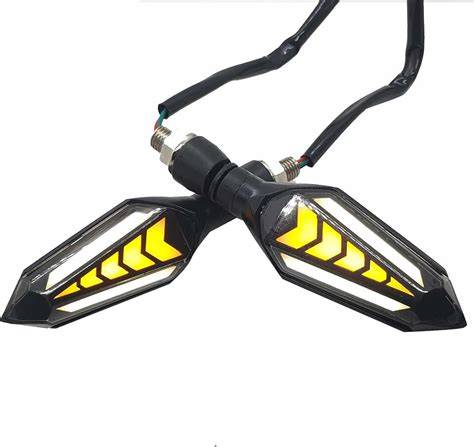
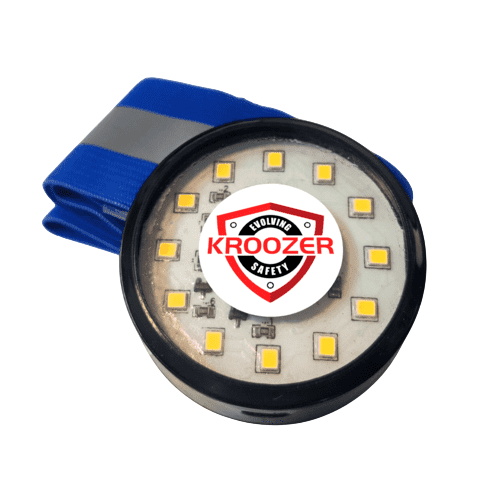
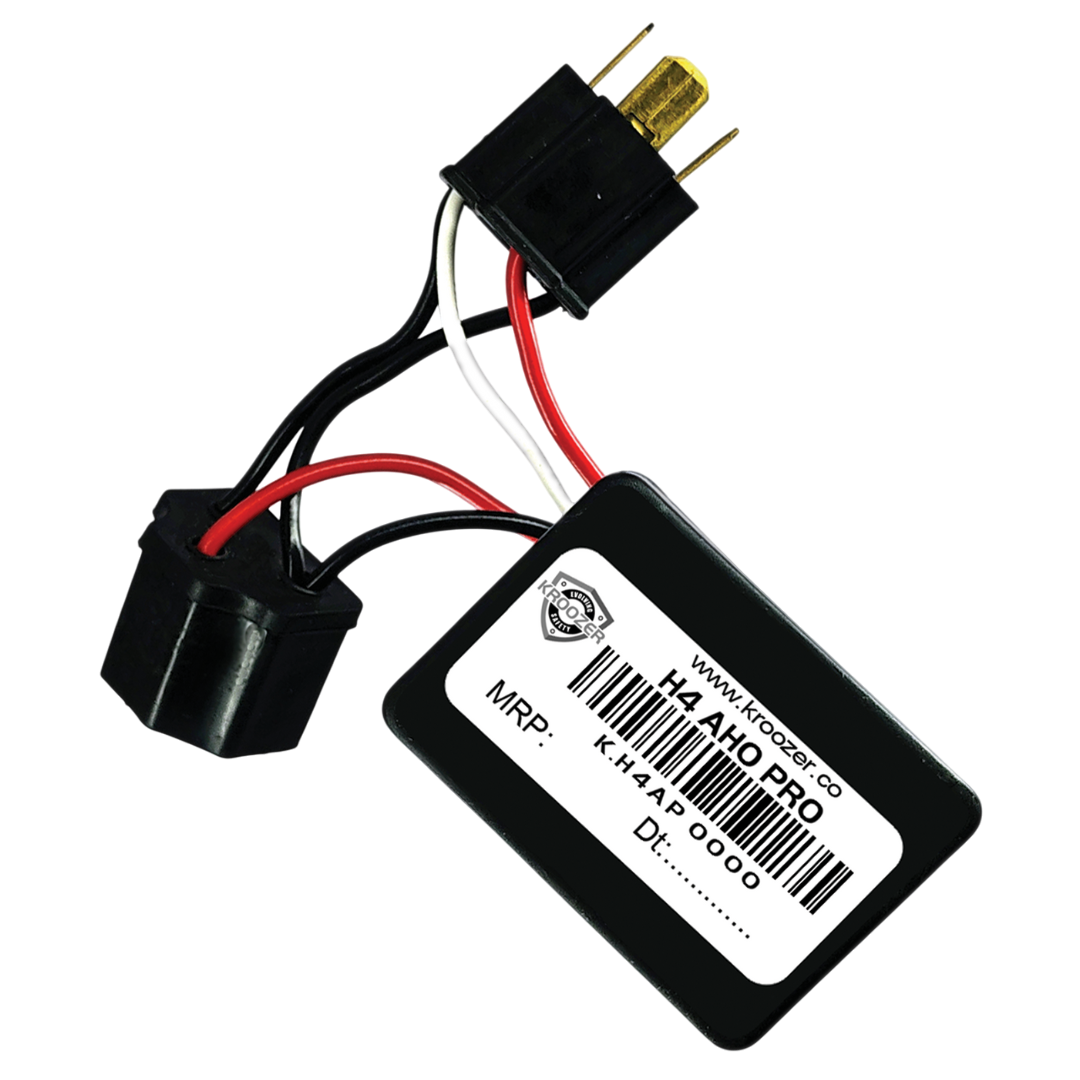
Different states, different weather, one pattern. Rain, spray, mist and fog all attack the same thing: how early other road users pick you out. The counter is boring and it works. Clean lights. Lights actually switched on in daytime rain. Road position that keeps you where eyes already look. A rear strobe adds one more layer: two small red pulses flanking the number plate give the driver behind you a rhythm to fix on when everything else has gone grey. That is the whole idea behind our strobe light kit.
Visibility Watch returns next Sunday. Until then, ride lit. Be visible. Be home.


