








A strobe light on a bike is a small auxiliary lamp that flashes in a repeating pattern instead of burning steady. It is not a headlight, not an indicator and not a brake light. It has one job: to make a rider register as a vehicle in the eyes of a driver who is looking in the right direction and still not seeing them.
That last part is worth sitting with, because it is the exact failure the light is built around. Plenty of riders who get hit in traffic were perfectly visible. The car had a clear line of sight. The driver just never resolved one narrow lamp, in a wall of other lamps, as a motorcycle coming towards them. Being lit and being noticed are two different problems. A strobe only addresses the second one.
Why one word covers about five different products
Search for a strobe light for your bike and the first screen will offer you something at ₹30 and something at ₹1,399 under the same name. That is not a pricing mystery. It is five separate products sharing a word:
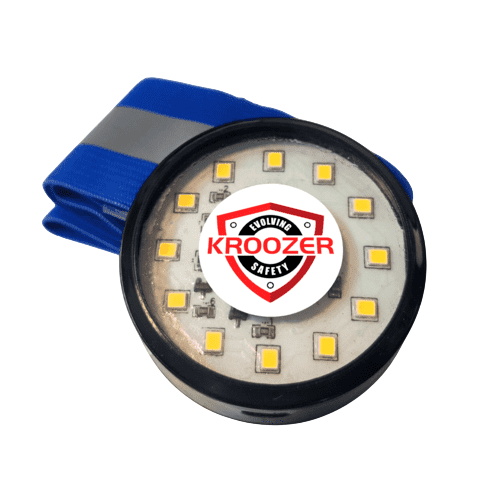
- Tiny USB rechargeable clip-ons, usually sold as aircraft strobes, designed for drones and cycles.
- Police-style multi-colour flashers, the ones that blink red and blue.
- Eagle-eye handle lamps sold as DRL strobes, which mostly sit at the front.
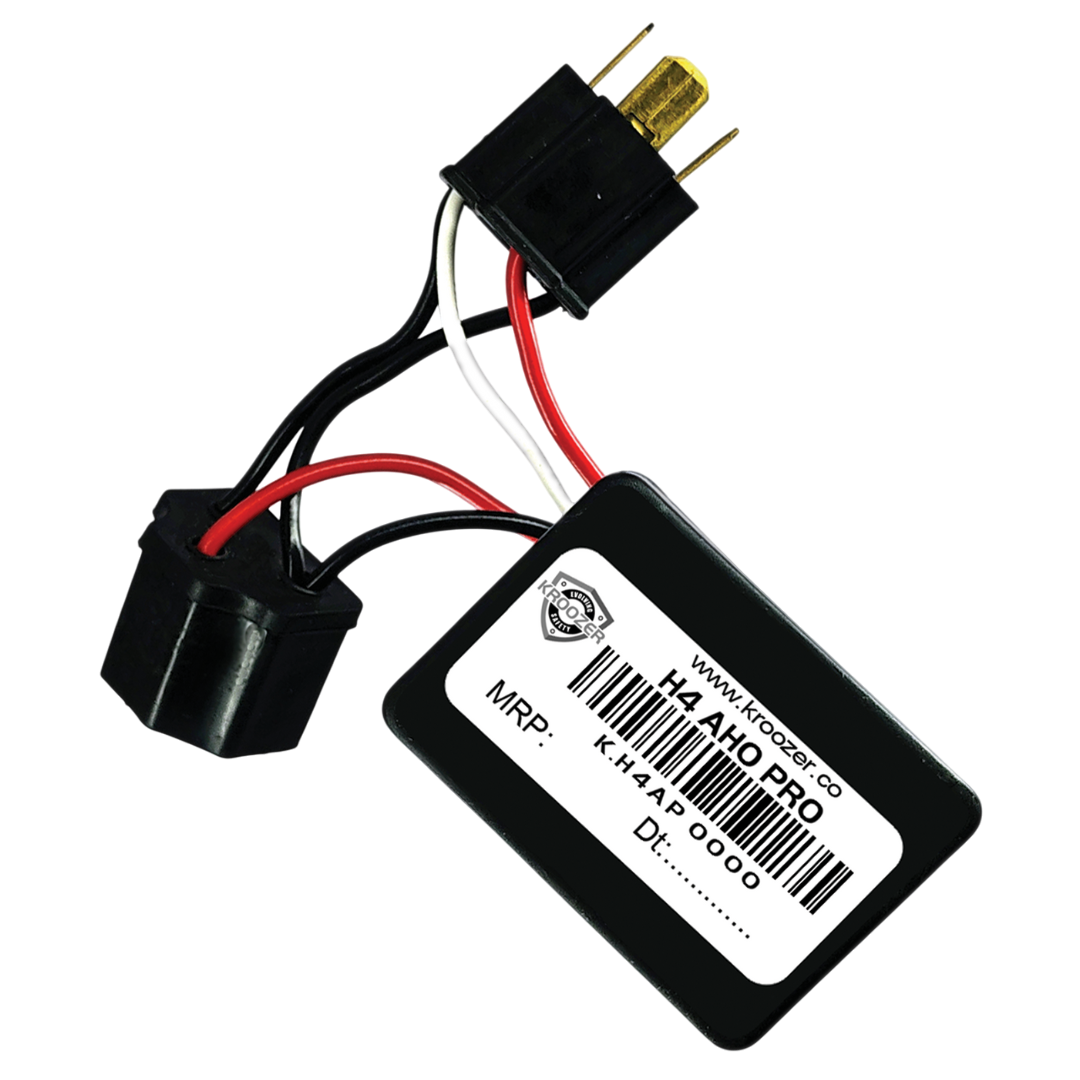
- Headlight flasher modules that pulse the light you already have.
- Wired-in kits: pods mounted on the bike, powered off the bike, controlled by a switch.
They behave nothing like each other, and the cheap end of that list is not a cheaper version of the expensive end. If you are trying to work out which type suits you, we split the whole market by how the light gets its power in which bike strobe light is best. This page is about the thing itself.
What a flash does that a steady light cannot
Human vision is a change detector before it is anything else. Hold your eyes on a static point and your visual system quietly stops reporting it, because nothing new is happening there. That is efficient in a forest. It is expensive on a highway at night, where a single steady red lamp sits in a field of other steady red lamps: tail lights, hoardings, shop boards, a parked truck’s markers, an auto ahead.
A light that goes on, off, on again is doing something none of the lamps around it are doing. The change itself is the signal. Your brain flags motion and change well before you consciously decide to look at anything, which is why a flashing point pulls attention that a brighter steady point does not.
Two things follow from that, and both matter more than any number on a box. First, a strobe is not a brightness upgrade. It works on pattern, not power. Second, it earns its keep exactly where contrast collapses and everything starts to look the same: rain, fog, dusk, the last hour of light, and dense city traffic where your tail lamp is one of forty in the frame.
Where it sits among the lights already on your bike
Every other light on a motorcycle is a sentence in traffic language:
- Headlight: I need to see, and I am facing this way.
- Indicator: I am turning. That is a specific instruction to everyone around you.
- Brake light: I am slowing down, right now.
- Hazard lights: something is wrong. I am stopped, or crawling, or a problem.
- Strobe: nothing. No message at all.
That blank is the point. A strobe does not tell a driver to do anything. It only says something is here, keep looking. This is also why riders reaching for their hazards in fog are solving the wrong problem: to the car behind, hazards mean the vehicle ahead has stopped or is in trouble, and a driver who reads that at speed may brake for a reason that does not exist. A strobe carries no instruction, so it can run while you ride normally.
It is a different device from a brake light flasher too, which pulses your existing brake lamp when you slow. We pulled those two apart in brake light flasher vs strobe light.
How a wired-in kit actually works
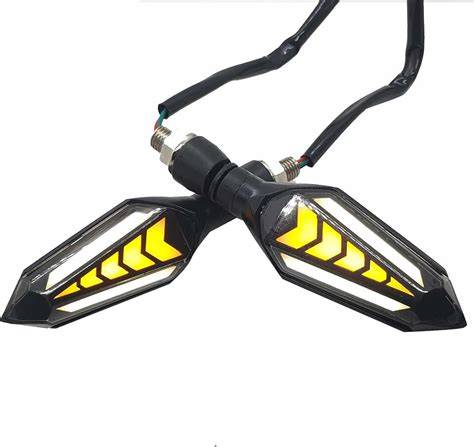
The mechanism is simpler than most people expect. A kit like the KROOZER V7.0 Pro is supplied as a pair, one pod per side, sitting roughly 40 cm apart on the rear of the bike. Each pod bolts on using a bracket at a bolt point the bike already has, so nothing gets drilled and nothing is cut into the bodywork. Most riders have it on in 15 to 20 minutes.
The pods draw power from the bike’s own lighting circuit rather than a battery you have to remember to charge. A push-button switch runs the show: press it to cycle through the patterns, of which there are 20 or more, from a slow steady pulse to fast alternating bursts. Pick one and it stays picked.
Brake Mode is the part that changes how it feels to ride with. The kit also wires into the brake light, so when you press the brakes the pods fire, alongside whatever flash pattern you are running. Your slowing down stops being one lamp lighting up and becomes movement across the whole back of the bike, which is the moment you most want a following driver to register something.
The housing is sealed and built to sit out in weather, because a light mounted on the rear of an Indian motorcycle lives through monsoon, dust and wash-downs. Fitment is universal: the mounting method suits motorcycles generally rather than a fixed list of models, so a Classic 350, a commuter 125 and a 650 twin are all the same job.
What a strobe is not
It is not a legal shortcut. Kroozer strobes are auxiliary visibility lights, and rules on auxiliary lighting vary by state and by how the light is used, so check your local RTO guidance and ride considerately. The point is to be seen, not to dazzle. If you want the full picture on that, read are blinking lights legal in India.
It is not a licence to run the harshest pattern you can find. A fast, high-contrast flash aimed at the wrong person, in the wrong place, is antisocial and can be genuinely unpleasant for some people. Choosing a pattern well is a real skill, and we covered who should think twice and what to ride with in who should avoid strobe lights.
And it is not the drain on your electrics that riders assume. That question comes up often enough that we went through it properly in do strobe lights drain your bike’s battery.
So does your bike need one?
Honest answer: it depends on where you ride. If your riding is daylight, quiet roads, short distances, then clean lenses, a working tail lamp and something reflective do most of the work already, and reflective bands are a cheap place to start.
Where a strobe pays for itself is the riding most of us actually do: ring roads at dusk, highway stretches where cars close at very different speeds, monsoon weeks when everything turns grey, and city traffic where a bike disappears into the lights behind it. That is the gap it is built for.
The KROOZER Strobe Light V7.0 Pro with Brake Mode is ₹1,399 for the pair, made in India, with a one year warranty and free shipping across India on orders over ₹1,000. You can see it next to the rest of the range on the strobe lights page.


